Internal Recognition
Understanding your emotions, values, and thought patterns as they occur throughout your day.
Learn about recognizing your thoughts, emotions, and behaviors in daily life and personal development
Learn More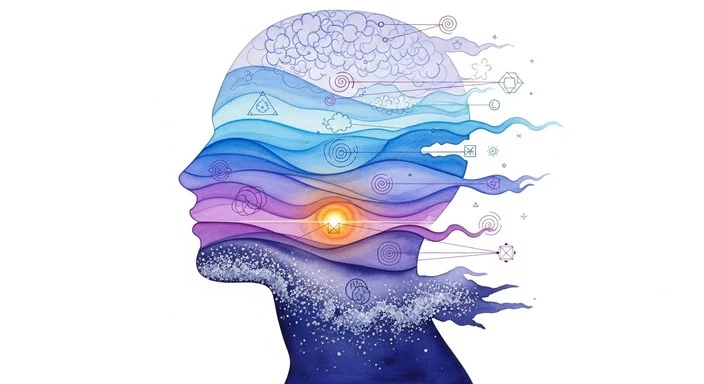
Self-awareness is the conscious knowledge of your own character, feelings, motives, and desires. It involves observing yourself objectively and understanding how you relate to the world around you.
This aspect of human consciousness allows you to recognize patterns in your behavior, identify your strengths and areas for development, and make more intentional choices in your daily life.
Understanding your emotions, values, and thought patterns as they occur throughout your day.
Recognizing how others perceive you and how your actions relate to those around you in various contexts.
Taking time to examine your experiences, decisions, and reactions to learn from them.
Practice noticing your thoughts and feelings without immediate judgment or reaction.
Set aside time to review your day and consider different approaches.
Ask trusted friends or colleagues for perspectives on your behavior and communication.
Write about your experiences, emotions, and observations to identify recurring themes.
Understanding your own emotional landscape can help you navigate interactions with others. This awareness may help you communicate more clearly, set appropriate boundaries, and respond thoughtfully in various situations.
Recognizing your own needs and limitations allows you to engage more authentically with family, friends, and colleagues.
Understanding and managing your emotions while recognizing emotional states in others relates to social interactions and professional relationships.
Awareness of your values, biases, and emotional state relates to making choices that reflect your priorities and long-term goals.
Recognizing early signs of stress and understanding your coping mechanisms relates to taking proactive steps.
Knowing how you express yourself and how others receive your messages relates to adjusting your approach for clearer exchanges.
Developing self-awareness is an ongoing process. As you encounter new situations and challenges, you may gain insights about yourself and your responses.
This process involves patience, curiosity, and a willingness to examine aspects of your inner experience. Each observation contributes to understanding who you are and how you engage with life.